When discussing solar energy, most conversations revolve around the panels themselves—monocrystalline vs. polycrystalline, N-type vs. P-type, or the latest efficiency breakthroughs in perovskite cells. However, there is a “silent partner” in every solar installation that determines whether those high-tech cells actually reach their full potential: the mounting structure.
The mounting system is far more than a simple rack to hold weight. It is a critical engineering component that dictates the orientation, cooling, and stability of the system. In this blog, we explore the specific ways in which solar mount structures affect PV power generation efficiency.
The most direct way a mounting structure affects efficiency is by positioning the panels to capture the maximum amount of solar irradiation. The sun’s rays are most powerful when they hit a panel at a perpendicular (90-degree) angle.
While fixed-tilt structures are the industry standard due to their low cost and durability, they cannot follow the sun across the sky. This is where Solar Trackers come into play. These active mounting structures use sensors and motors to adjust the panels in real-time.
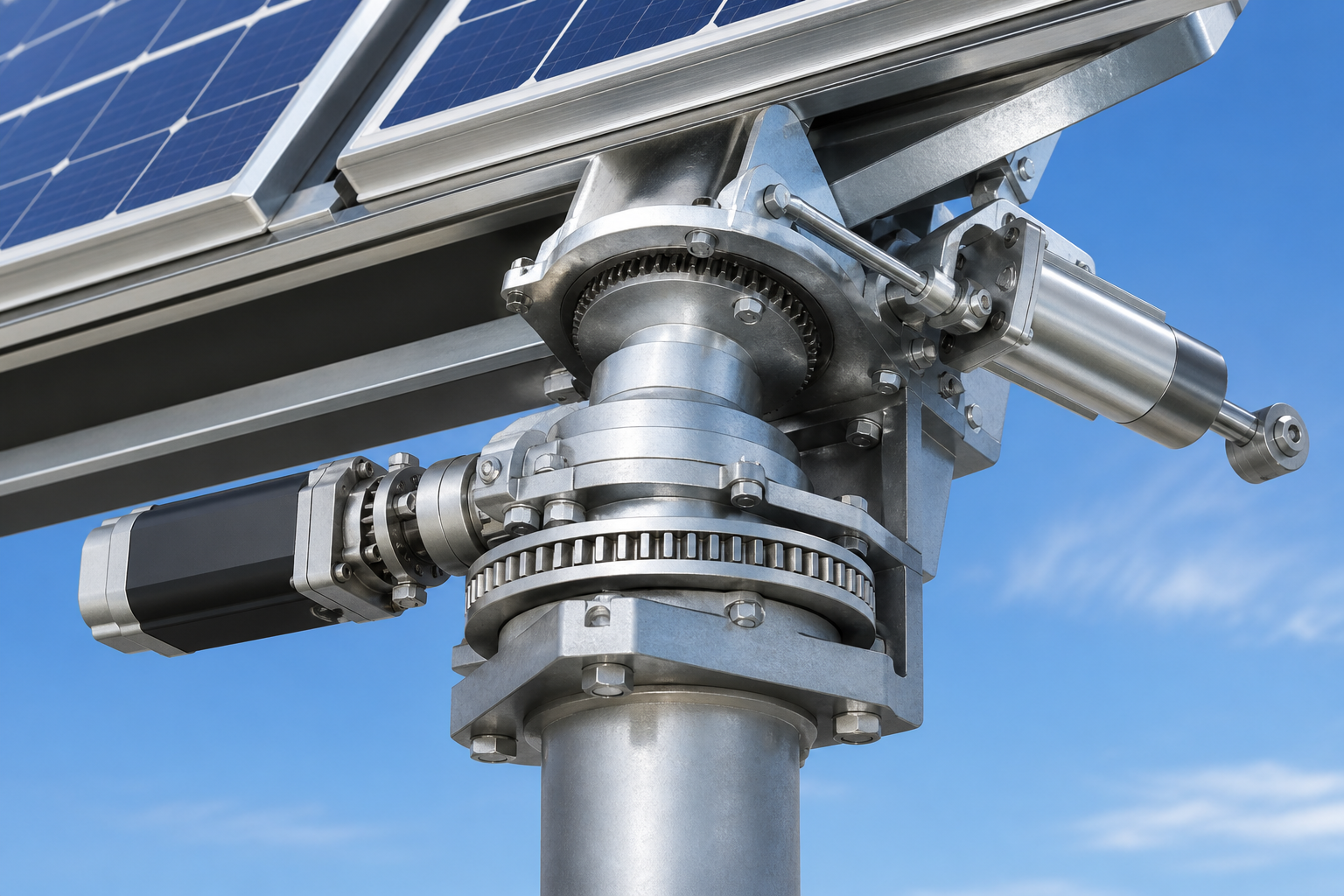
Recent technical data from 2026 confirms the significant efficiency gains provided by these structures:
While tracking systems involve higher upfront costs and more maintenance, the structural ability to stay “face-to-face” with the sun is the single largest efficiency lever in the mounting industry.
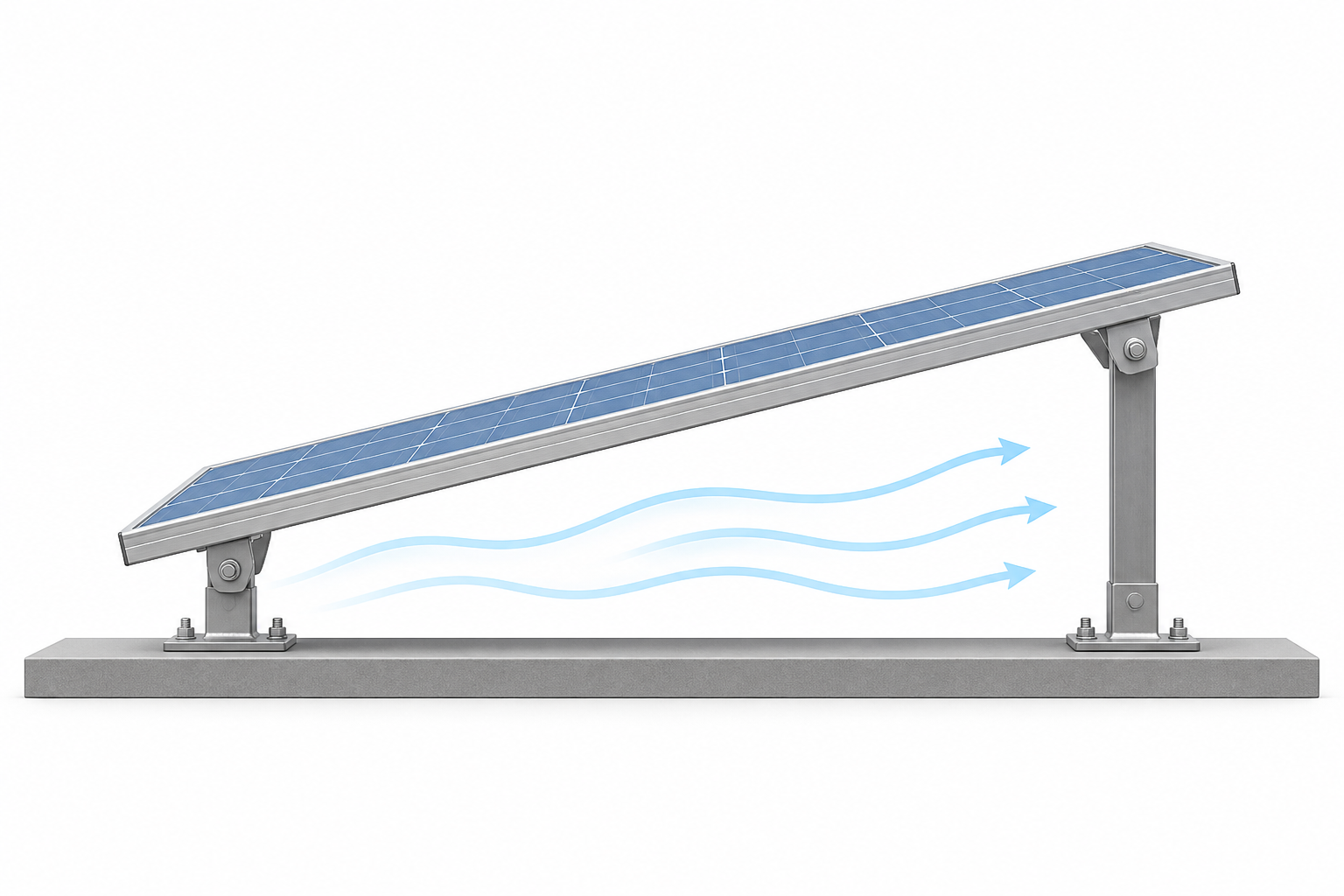
Solar panels are paradoxically sensitive to heat. As the temperature of a solar cell rises above its standard operating temperature (usually 25°C), its efficiency drops—a phenomenon known as the Temperature Coefficient.
The mounting structure plays a vital role in cooling.
Efficiency isn’t just about capturing light; it’s about avoiding losses. Poorly designed mounting structures can cause self-shading. If rows of panels are placed too close together to save space, the structure of one row may cast a shadow on the row behind it during early morning or late afternoon. Even a small shadow on a single cell can significantly drop the output of an entire string of panels.
Furthermore, structural stability in high winds prevents “micro-cracking” in the silicon cells. A mount that vibrates or flexes excessively under wind load can cause permanent internal damage to the panels, leading to a slow but steady decline in efficiency over time.
The mounting structure is the foundation of a solar project’s ROI. Whether it’s through optimizing the tilt angle, enabling active sun-tracking, or ensuring proper ventilation to fight heat, the choice of structure is just as important as the choice of panels.
When planning your next PV installation, remember: the most efficient panel in the world is only as good as the structure that holds it toward the light.